
Technology
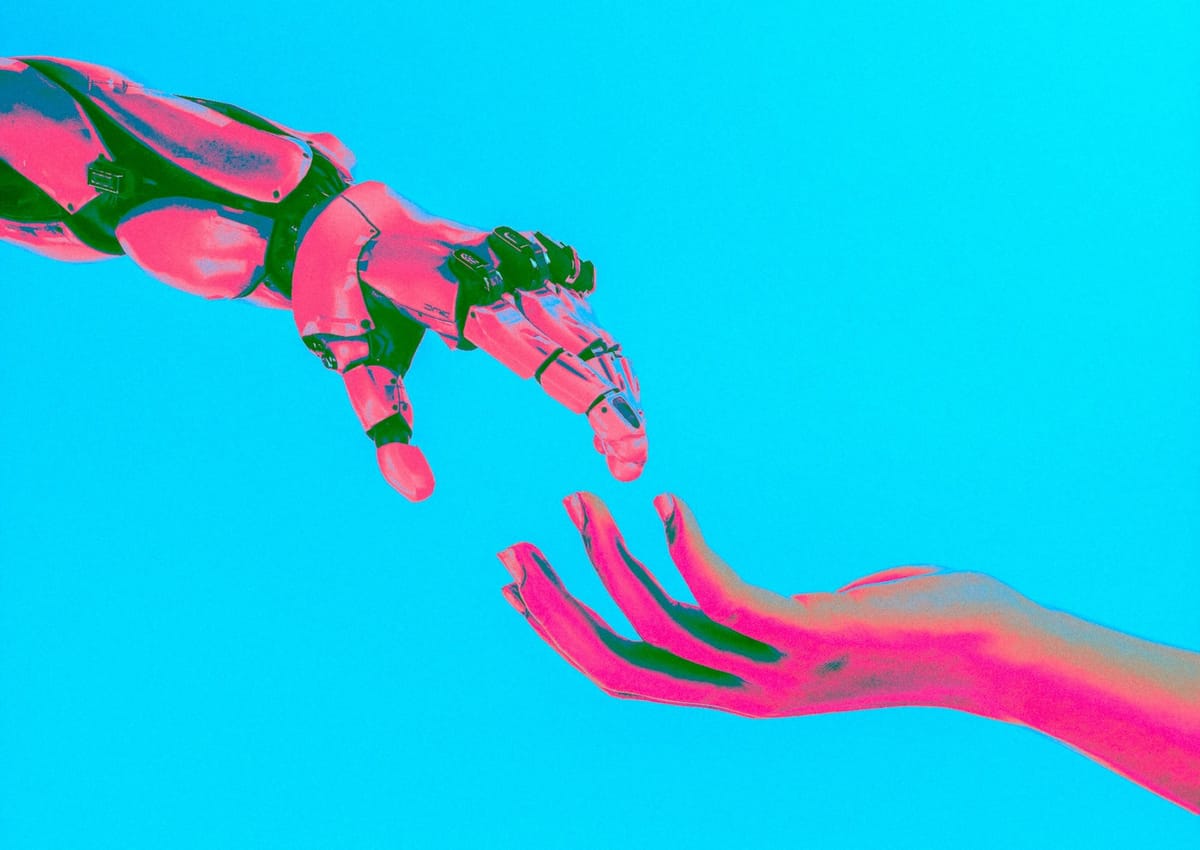
Picture a world where I, as a Deaf American Sign Language user, sign freely to my hearing family, and an AI app instantly transforms my language into perfect spoken words. No more frustrating misunderstandings or awkward charades. Or flip it: a hearing stranger speaks into their phone, and boom an AI avatar signs back to me with flawless accuracy. Electrifying, right?
As a Deaf ASL teacher with 15 years of experience, I’ve dreamed of this breakthrough. But let’s be real: AI in ASL is a rollercoaster, packed with thrills and chills. It could shatter barriers—or spark chaos. The future of our vibrant language is here, and it demands honesty as much as hype.
I jumped in myself. I tested cutting-edge AI tools that claimed to read my signing. They worked… sort of. Basic sentences, level one-ish, sure. But the gaps stood out instantly: facial expressions that flip meaning, lightning-fast fingerspelling, shifting postures, classifiers painting whole scenes, poetic nuance. None of it landed. These models miss the artistry that makes ASL more than words on hands. It made me pause and ask: what’s the real payoff here?
AI in ASL is a rollercoaster
The potential is undeniable. Imagine fairer interpreter certification—no bias, no politics—just skill. Gallaudet’s AIASL Center is already exploring precision tools using computer vision and expert datasets. That could change the game, ensuring quality access.
Connection is another. Could AI finally let me chat with family without barriers? Catch subway announcements? Even sense someone behind me saying “excuse me”? Projects like Google’s SignGemma (June 2025) are pushing toward yes, while USC’s 91% recognition rate hints at a future where everyday communication gets smoother.
I see potential too. My biggest concern Deaf and hard-of-hearing voices are often sidelined in these AI experiments, with hearing researchers creating their own flawed versions of sign language. That means errors, misrepresentation, and a real risk: if Deaf people aren’t leading, the technology could distort our language instead of honoring it.
The biggest threat? Mistranslation. Courts, hospitals, high-stakes moments—do we really trust an algorithm to carry our meaning? The European Union of the Deaf has already warned of AI undermining the status of sign languages. Gallaudet has urged against training on novice signers or hearing interpreters. Bias baked in is bias baked out.
The real question isn’t whether AI can learn to sign—it’s whether ASL will remain in Deaf hands or be rewritten by tech giants. That’s the debate already simmering: is this the ultimate bridge?
Members Discussion